
Choosing the right software can affect how efficiently a business operates, scales, manages data, and serves customers. Some organizations need a solution designed around their processes, while others can achieve their goals with ready-made platforms.
The decision between custom application development and off-the-shelf software depends on budget, implementation time, security, integrations, scalability, and long-term business requirements. Understanding these differences can help businesses avoid investing in software that becomes difficult to manage as they grow.
Custom Software vs Ready-Made Platforms
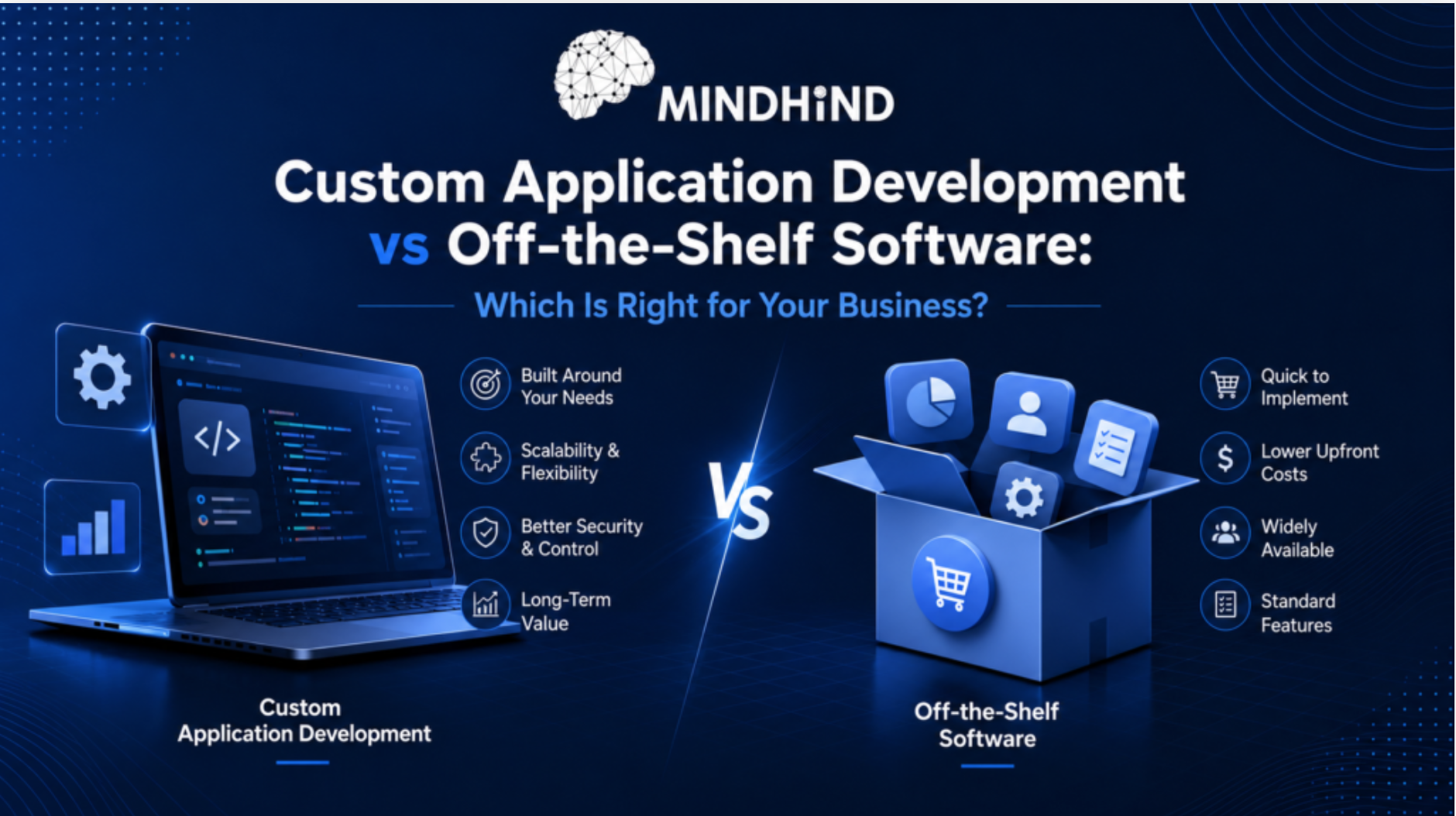
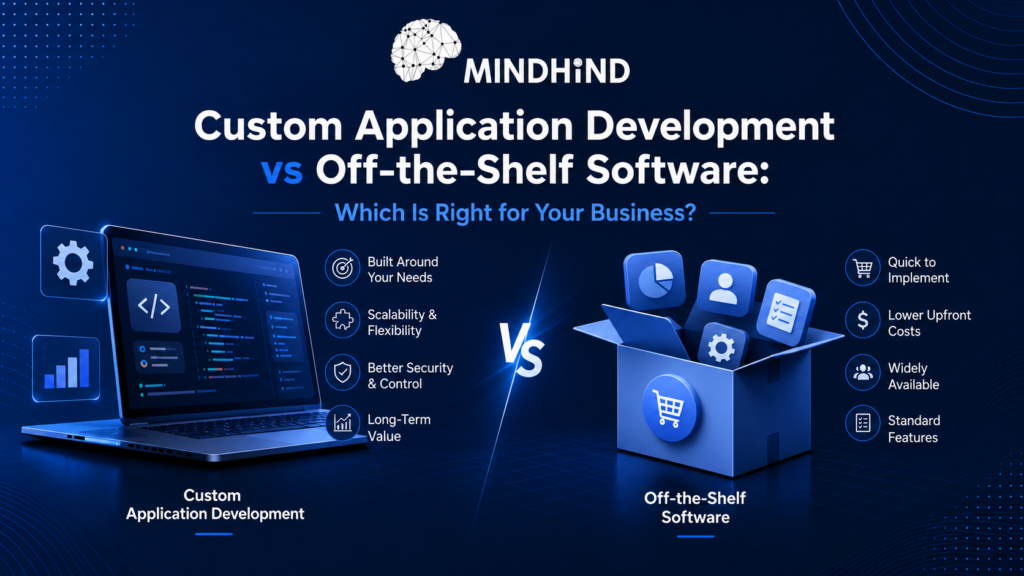
Off-the-shelf software is designed for a broad group of users. It usually includes standard features, fixed workflows, and subscription-based pricing. These platforms are often faster to implement and may work well for businesses with common operational needs.
However, customization may be limited. Companies may need to change their processes to fit the software rather than using a platform built around how they already work. Additional integrations, user licences, and premium features can also increase long-term costs.
Custom software development creates an application based on specific business requirements. Features, workflows, dashboards, permissions, and integrations can be designed around the organization’s users and objectives.
Custom solutions generally require more time and initial investment, but they can provide greater control, flexibility, and ownership. They are often suitable for businesses with unique processes, complex compliance requirements, or plans to scale across multiple teams and locations.
Key Factors to Compare Before Making a Decision
Implementation time is one of the biggest differences. Off-the-shelf platforms can often be deployed quickly, while custom solutions require planning, design, development, testing, and user training.
Scalability is another important factor. A ready-made platform may work well initially but become restrictive as transaction volumes, users, or operational requirements increase. Enterprise application development allows businesses to build systems that can expand with future needs.
Integration requirements should also be reviewed. Businesses may need software to connect with CRM, ERP, finance, HR, cloud, analytics, or customer-service platforms. Custom applications can provide deeper integrations, while off-the-shelf tools may depend on available connectors.
Security and compliance needs also influence the decision. Ready-made platforms usually provide standard security controls, but businesses may have limited control over infrastructure, data storage, and access policies. Custom applications can include security measures designed around industry and organizational requirements.
Ownership cost should be evaluated over several years. Off-the-shelf software may have lower initial costs but can include recurring subscriptions, licence increases, add-ons, and integration fees. Custom software may require a higher starting investment but can offer greater control over future changes and operating costs.
User experience matters as well. Custom applications can be designed around employee and customer needs, reducing unnecessary steps and improving adoption.
A Simple Build vs Buy Decision Matrix
The build vs buy software decision may differ according to business size and complexity.
Startups may benefit from off-the-shelf software when speed, limited budgets, and basic functionality are the main priorities. Custom development may become necessary when the product itself is central to the business model.
Mid-sized businesses may prefer platform customization or a hybrid approach. Existing tools can support standard functions, while custom modules can address unique workflows, reporting, or integrations.
Large enterprises often require business application solutions that support complex processes, multiple departments, advanced security, high transaction volumes, and regulatory requirements. Custom or hybrid development may provide better long-term alignment.
Businesses should choose custom development when their processes create a competitive advantage, existing tools cannot support important workflows, or future scalability requires greater control.
Off-the-shelf software may be the better choice when requirements are standard, implementation speed is critical, and customization is not a priority.
MindHind’s Application Development services help organizations evaluate operational requirements, compare software options, customize existing platforms, and build scalable applications.
Discuss your requirements with MindHind to determine whether a custom application, platform customization, or hybrid approach is the right fit for your business.
