
Customers interact with businesses through websites, mobile applications, sales teams, customer-support channels, social media, email, and physical locations. When these touchpoints operate separately, customers may receive inconsistent information, repeat the same details, or face delays when moving from one channel to another.
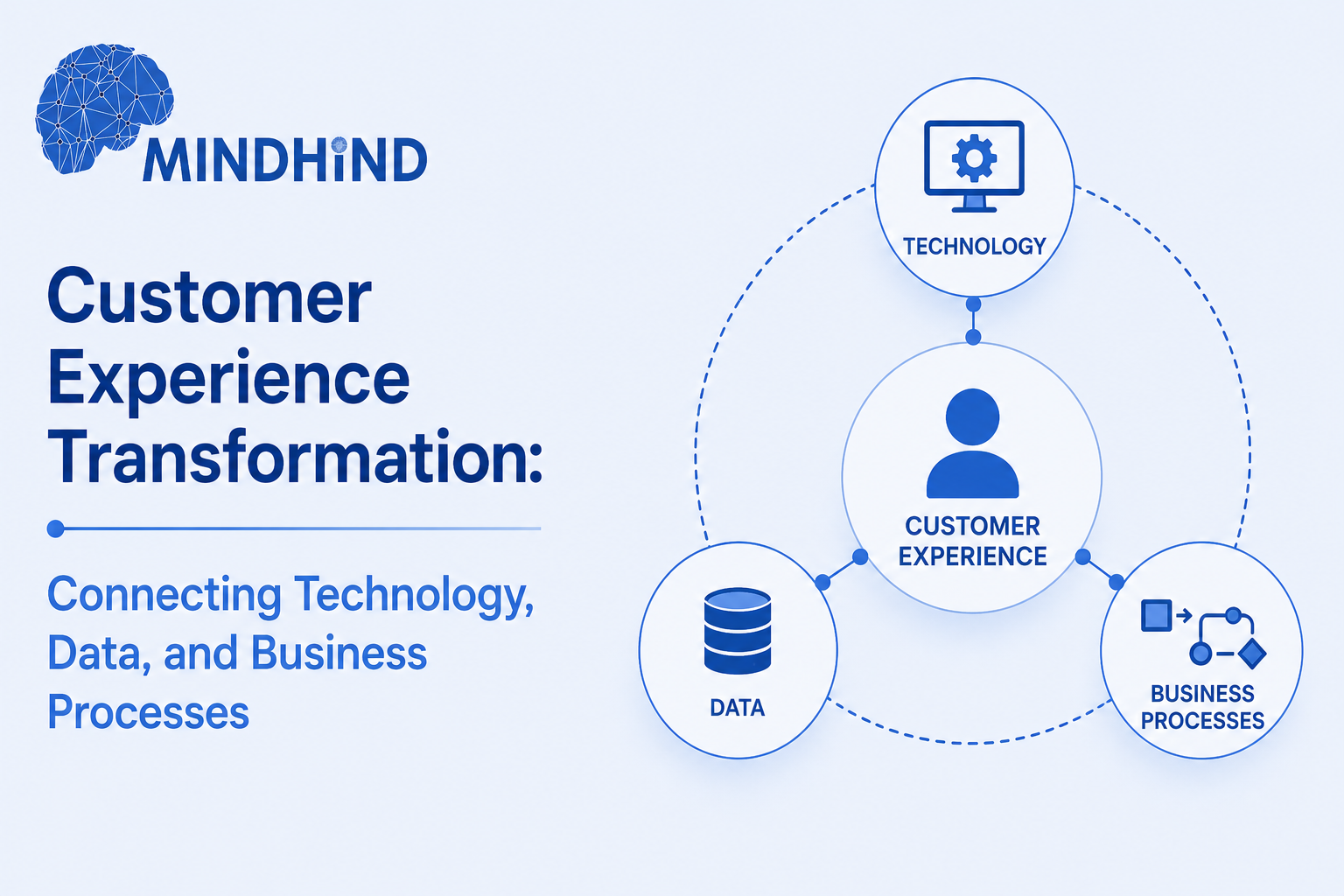
Customer experience transformation connects technology, data, employees, and business processes to create a more consistent experience across the entire customer lifecycle. The goal is not only to introduce new digital tools but to make every interaction easier, faster, and more relevant.
Map the Complete Digital Customer Journey
The first step is understanding how customers currently interact with the business.
A digital customer journey may begin when someone discovers a brand through search, social media, advertising, or a referral. It continues through product research, enquiry, purchase, onboarding, support, renewal, and long-term engagement.
Businesses should map each stage and identify the channels, teams, technologies, and information involved. This helps uncover common friction points, such as slow response times, complicated forms, repeated data entry, unclear communication, or disconnected support experiences.
Customer feedback, website analytics, CRM records, support tickets, sales conversations, and behavioural data can provide useful insight. Businesses should also speak directly with customers to understand where expectations are not being met.
A practical journey map should show what the customer is trying to achieve, which steps they must complete, where delays occur, and which team is responsible for the experience.
Connect Technology, Data, and Customer Processes
A strong CX strategy brings different customer-facing systems together.
CRM platforms help teams manage customer information, sales activity, and communication history. Analytics tools reveal customer behaviour, campaign performance, service issues, and conversion patterns. Automation can support lead assignment, follow-ups, appointment reminders, onboarding, and support updates.
Customer portals and mobile applications give users direct access to orders, documents, account information, payments, and service requests. Support systems help businesses manage enquiries across email, chat, phone, and social channels.
These technologies create better outcomes when they are integrated. For example, a support agent should be able to view a customer’s purchase history, previous conversations, current requests, and account status without switching between several systems.
Unified data also supports personalization. Businesses can provide relevant recommendations, messages, and services based on customer preferences, behaviour, and history.
However, personalization must be supported by accurate data, clear consent, privacy controls, and responsible data-management practices.
Professional customer engagement solutions can help businesses create connected interactions while reducing manual work and fragmented communication.
Measure and Improve the Customer Experience
Customer experience improvement should be treated as an ongoing business process.
Organizations should define clear performance indicators such as customer satisfaction, response time, first-contact resolution, retention, conversion rate, repeat purchases, complaint volume, and customer effort.
Technology metrics are also important. Businesses should monitor portal usage, mobile-app adoption, automation performance, data accuracy, and system availability.
Teams should regularly review where customers leave a process, request additional support, or experience delays. These findings can guide improvements to forms, workflows, communication, and digital interfaces.
Employee involvement is equally important. Sales, service, marketing, and operations teams often understand customer problems that are not visible in reports. Their feedback can help businesses design more practical processes.
Working with experienced customer experience consulting specialists can help organizations connect customer data, modernize platforms, automate workflows, and create a unified improvement plan.
MindHind’s Customer Experience Solutions help businesses improve customer journeys through integrated technology, analytics, automation, and process transformation.
Identify the main friction points across your customer journey and work with MindHind to develop a unified CX improvement plan.
